Complete Buyer’s Guide to ASTM A53 Carbon Steel Pipes
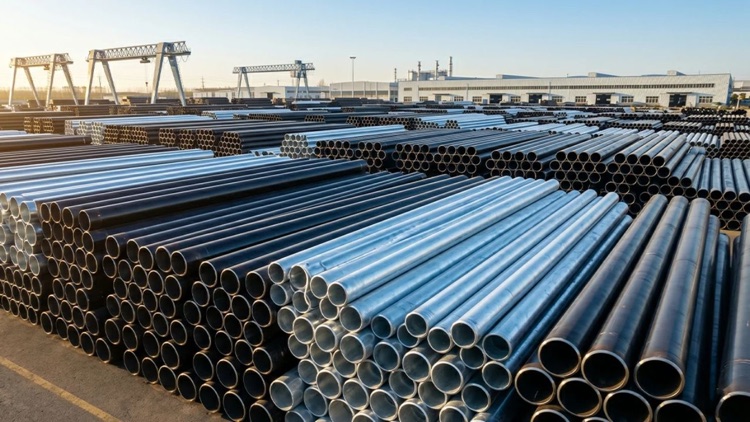
One of the most frequently used types of pipes in industrial and construction projects is the astm a53 pipe. They can be used for general purposes. These pipes are regarded as strong, durable, and cost-effective. The reason why a buyer’s guide is important is that the choice of the correct pipe may have a direct bearing on the level of safety, performance, and cost of a project in the long run. Knowledge of simple features, grades, and applications assists buyers in making superior choices and preventing errors when buying steel pipes applicable in various engineering functions.
ASTM A53 Pipe Buying Checklist
Understanding Material and Manufacturing Process
ASTM A53 pipes are manufactured using carbon steel. It offers good strength and flexibility. Two major types are made: seamless and welded (ERW). Seamless pipes are produced without a weld line, making them more robust against high pressure. The steel plates are rolled, and the seam is welded to create welded pipes, which are cheaper to use in general. Heat treatment, forming, welding, and testing are involved in the manufacturing process to meet quality standards. These differences should be familiar to buyers since the manufacturing process has a direct impact on performance, price, and suitability in application.
Grades and Types of ASTM A53 Pipes
Grade B is mostly preferred in comparison to Grade A because it possesses greater strength and superior mechanical characteristics. ASTM A53 pipes are primarily classified into Grade A and Grade B. These pipes are also of various types, like black pipes and galvanized pipes. Where the corrosion resistance is not a significant factor, black pipes are used, and galvanized pipes are coated with zinc that is more resistant to rust and moisture. The selection of grade and type of choice is based on the needs of the project, the environmental factors, and the budget.
Quality Testing and Certification Standards
Testing of quality is an important stage of ASTM A53 pipe production. Some of the tests that are carried out by manufacturers include: hydrostatic testing, mechanical testing, and chemical composition analysis. These tests are taken in order to make sure that the pipe can withstand the necessary pressure and that it will be safe. Recognized certification bodies help ensure that the product is of international quality. The buyers must be in the habit of demanding test certificates and quality reports prior to buying. This minimizes risk and makes the pipes reliable to be used under real-life conditions without any unexpected failures.
Factors That Influence ASTM A53 Pipe Cost
- Pipe Grade: Stronger grades tend to be more expensive because they have better mechanical characteristics.
- Manufacturing Method: Seamless pipes are usually costlier than ERW pipes due to their production.
- Wall Thickness (Schedule): The thicker the wall of the pipes, the more steel is needed and the higher the cost.
- Pipe Dimensions: A bigger size and length of the pipe normally incurs greater material and production expenses.
- Surface Finish or Coating: The galvanized or specially coated pipes are more expensive than the normal black steel pipes due to the extra treatment.
- Order Quantity: Bulk orders can be priced more favorably, and small orders can be priced more expensively.
- Transportation and Delivery: The shipment distance of the pipes, the size of the pipes, and the overall weight of the shipment can greatly influence the final purchase price.
Buying Tips and Common Mistakes to Avoid
In purchasing ASTM A53 pipes, one should ensure that they get a supplier who has a good track record. Customers must not concentrate on low prices, as the quality of materials may cause failures in the long run and increase the cost of maintenance. Specifications, grade, and type of coating should also be checked and bought. The other general error is neglecting the application requirements, where it is possible to apply the incorrect type of pipe in accordance with either pressure or environmental factors. Consideration of supplier credibility, product quality, and technical requirements are important considerations that lead to a successful purchase decision.
Conclusion
In conclusion, the ASTM A53 carbon steel pipes are a reliable solution to most of the industrial and construction needs because of their strength, versatility, and cost. Knowledge of their grades, process of manufacture, specifications, and testing requirements assists the purchasers in making wise decisions. When choosing the correct type and employing trusted suppliers, buyers can guarantee sustainable performance and safety of their projects. An informed buying strategy not only enhances efficiency but also minimizes risks and the cost of the entire project.