How to Build a Toothpaste Brand Using Private Label Manufacturing
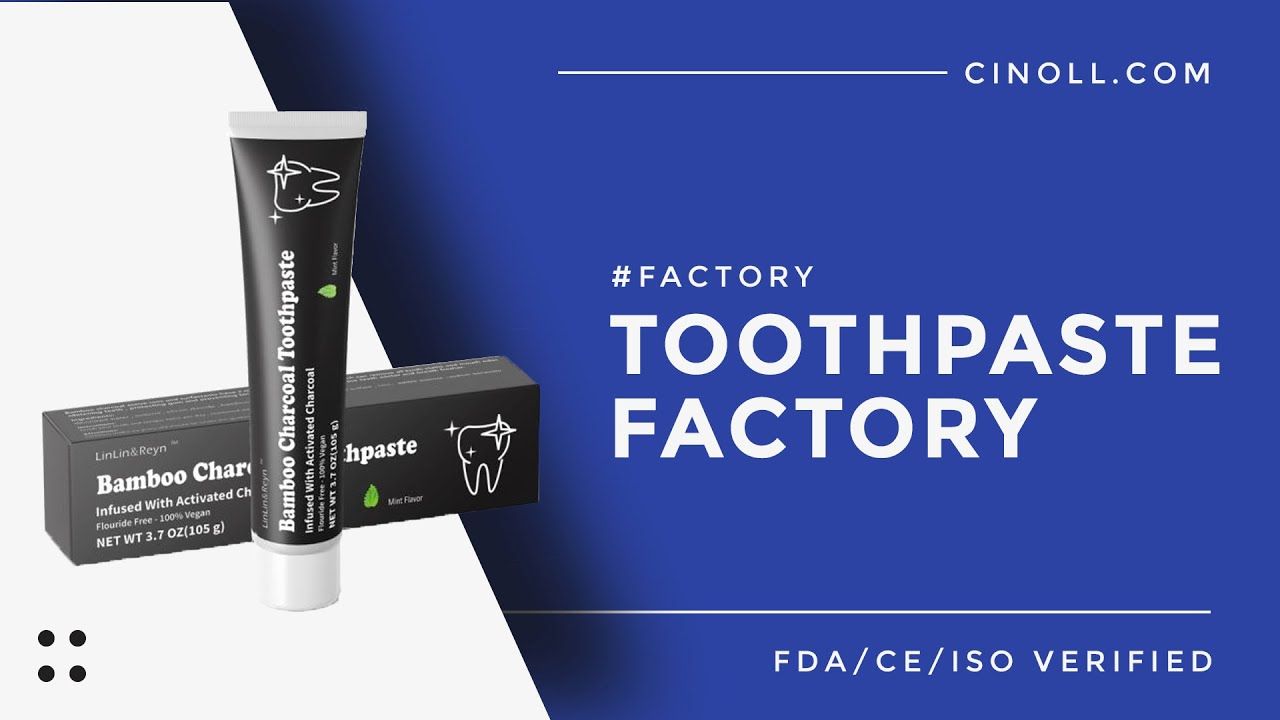
Building a brand today relies more on private label toothpaste systems than on owning production equipment. In this setup, the factory handles formulation, filling, and packaging while the brand focuses on product direction and sales. Toothpaste categories such as whitening, herbal, and kids’ formulas are often produced this way. Some manufacturers, including Cinoll, provide structured production support with in-house formulation and compliance documentation. The process usually follows a clear path from product selection to final shipment.
Choosing the Product Direction
The initial phase entails determining which type of toothpaste will be sold under that particular brand. It may include toothpastes for whitening, sensitivity, or natural products. Each direction affects ingredient choice, taste, and texture. A clear product direction helps avoid confusion later when selecting packaging and flavors. Without this step, product development can become inconsistent across batches.
Selecting Private Label Manufacturing
Private label manufacturing allows a brand to use existing production systems rather than build its own factory. This includes access to tested formulations and standard production lines. Cinoll operates within this model by offering ready-to-produce toothpaste categories that can be adjusted for branding and ingredients. This structure reduces the need for technical setup on the brand side.
Understanding Toothpaste Formulation
Formulation is the process of mixing ingredients to produce the end product, toothpaste. Many of these ingredients will include some form of detergent, flavoring systems, or functional ingredients such as hydroxyapatite or herbs. Each individual component will affect the paste’s properties and performance. This is why manufacturers modify various components to achieve particular effects in their products. The paste should not undergo any modifications during storage or use.
Customizing Flavor and Texture
One of the most significant elements of toothpaste branding is its flavor. They may be mint, fruit, or herbal flavors. Texture is also a factor, with options including smooth paste or gel. These differences are mitigated at Cinoll during the formulation process, enabling brands to match product feel to target markets.
Packaging and Brand Identity
Packaging is the primary visual branding of the particular toothpaste brand. This includes the tube’s design and layout, as well as the printout. This stage is the customer’s interaction with the product when it is placed on a shelf or listed online. Product purposes are simple to communicate thanks to clear labeling and simple designs. Packaging should also correspond to the physical size and packing operation in production.
Sample Development Stage
Samples are made before production to test the product’s quality and appearance. This step is an opportunity for brands to assess the alignment of taste, texture, and packaging. Normally, changes are made here to prevent problems during large runs. Cinoll offers sample batches so brands can verify product specifications before scaling up.
Certification and Product Safety
The ingredients in toothpaste must meet safety and production requirements before they are put on the market. These involve monitoring of ingredients, microbial safety, and stability. COA and SDS are documents that may be requested for distribution in various regions. Cinoll uses certification systems like ISO and GMPc, which enable structured production control and verification.
Production and Batch Control
Full production gets underway once samples are approved. These include mixing, filling, sealing, and labeling. To ensure consistency of each production run with the approved sample, batch control is used. Throughout production, controlled systems are employed to ensure product quality, as any alteration in measurements or processes can impact it.
Packaging and Filling Process
Toothpaste is mixed and placed in tubes, then sealed before packaging, mostly done by machines to ensure consistency and reduce contamination. Outer boxes and printed information are added, resulting in the packaging. Controlled filling systems are used to ensure that the individual units are the correct weight and appearance, as set by Cinoll.
Order Size and Production Planning
Order size is based on market demand and the production plan. Small volumes may be produced for new brands to market, and big volumes may be produced to support the established market. Production plans are designed to align with the availability of materials and production capacity. Avoids delays during peak times.
Delivery and Market Launch
Once products are manufactured and packaged, they’re ready to ship. Delivery time depends on order size, packaging, and scheduling. Products become available for brands to list on online stores or distribute via retail channels. Now, rather than production, market performance and sales feedback are important.
Conclusion
The private label manufacturing process for building a toothpaste brand is an organized process that links product selection, formulation, packaging, production control, etc. From initial concept through to final delivery, each step will impact the next. One manufacturer that supports this process is Cinoll, which creates formulations, certifies them, and has controlled production lines. The degree of clarity and consistency in the management of each of these stages is the key to success, together with consistent maintenance of the product from sample to final batch.