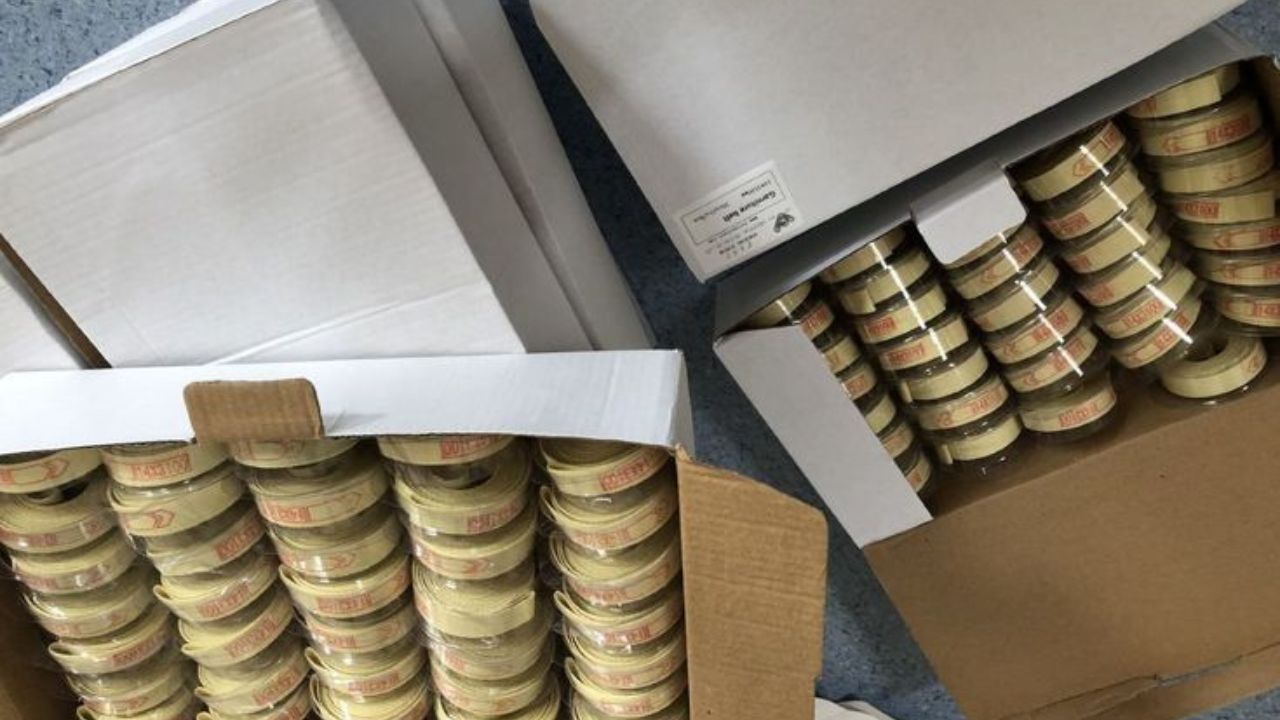
Precision, consistency, and reliability are crucial in the tobacco manufacturing business, where high-quality cigarette production is the goal. The Garniture Tape is one such element in this process, among several others. It performs the duty of shaping, directing, and wrapping the tobacco rod in the process of making cigarettes. The efficient operation of this tape ensures effective machine operation, consistent quality in cigarettes, and less downtime. Awareness of the working mechanisms, the materials used in the manufacture of garniture tapes, and the variables influencing their lifespan enables manufacturers to maximize production and minimize expenditure.
What Is Garniture Tape?
The garniture tape is a special belt attached to the cigarette-making machine to carry tobacco through the garniture part, where the cigarette paper is rolled around the rod. The tape travels at a continual high speed that drives the paper and makes sure that the tobacco is well distributed before it is sealed and cut into separate cigarettes. They are typically tapped using strong material, e.g., aramid fiber (popularly referred to as Kevlar) or cotton or a blend of synthetic and natural ferment. Their high strength, flexibility, heat, and wear resistance make them good candidates to be used constantly in high-speed cigarette production lines.
Use of Garniture Tape in the Cigarette-Making Process
The garniture tape has a central role in creating cigarettes swiftly and precisely. When the cigarette paper is moved through the garniture part, the tape moves over the tobacco stream in a smooth fashion to form a uniform rod. The paper is then sealed using adhesive, and the continuous rod is cut into the same lengths to come up with cigarettes. The garniture tape has to be operating without any slipping, vibrating, or distortion since this process happens at very high speeds, sometimes thousands of cigarettes per minute. A good tape will guarantee that the entire process of wrapping the cigarette has a constant tension, continuous flow of tobacco, proper cigarette size, and minimum mechanical action to the machine.
Material Composition and Building
Contemporary garniture tapes are engineered in a highly sophisticated manner in order to endure high stress, friction, and temperature. The tensile strength and heat resistance of fibers are especially appreciated, and cotton and polyamide mixtures are used to make them flexible and to add a smooth surface texture. Special surface treatments like polyurethane or PTFE are also used on some tapes to reduce friction, eliminate glue contamination, and decrease the buildup of tobacco dust. Stress weaves are normally introduced in the design to avoid extension or loss of shape with time. Manufacturers such as ZZR Parts have custom-made garniture tapes in a range of widths, thicknesses, and surface textures to match a particular machine used in the manufacture of a cigarette and the production needs.
Influencing Factors of Garniture Tape Longevity
The life of a garniture tape has been affected by various operational and environmental factors. The surface of the tape can also have contaminants (glue residues, tobacco particles, and paper dust), which enhance abrasion and promote slippage. A wrong tension setting may lead to stretching, uneven movement, or edge fraying. The length of the service of the tape material, as such, is also obtained by the quality of the material. Also, any form of misalignment of the garniture section may form some uneven stress, which will consequently reduce the life of the tape. A quality garniture tape, used in the best possible conditions and under proper maintenance, should last between 200 and 400 machine hours under the best of conditions.
Maintenance and Care
Routine care is also important in order to increase the working life of garniture tapes. Tape cleaning will often help eliminate the glue and roll tobacco deposits, avoid unnecessary resistance, and wear. It is recommended that the tape tension be checked and adjusted to make sure that the tape is not overstretched with time. The wear and tear can be monitored on the surface to detect the initial stages of damage so that it can be replaced before it degrades performance. The appropriate type and size of tape adapted to each particular machine used in the cigarette-making process helps to relieve operational stress and improve performance as well. Other manufacturers suggest using different tapes with alternating periods of use to enable each to rest between production cycles and thus increase their total life.
Conclusion
Garniture tapes constitute an essential part of the contemporary cigarette manufacturing process, as each cigarette needs to be covered very accurately and consistently. The efficiency of the manufacturing process and the long life of the production equipment directly depend on the way they are built, on the quality of the material used, and on how they are maintained. The tobacco manufacturers can attain a smooth running, an extended service life, and better quality of the product by deciding on durable and high-performance tapes and doing appropriate maintenance. Speed and accuracy are a requirement in an industry where reliability and endurance of the garniture tapes are a must to continue success.
