richcontentdaily.com
  • Home
  • Business
  • contact
Home - Industry - Page 3
Category:

Industry

Industry

From Sawdust To Wooden Pellets- Make Wood Pellets

by Jeremy Wall June 26, 2022
written by Jeremy Wall

Utilizing any waste products for further use is one of the best thoughtful options. Likewise, to make wood pellets from sawdust is one such reuse method. Sawdust can be termed as a waste material that can be accumulated after the product-making process from wood. However, sawdust can be obtained after cutting or drilling the wood for making furniture or paper production. It is a useful commodity because after a proper transformation process it can be converted into wood pellets.

Wooden pallets are nothing but a useful product that can be obtained from sawdust. However, it is also a kind of recycling process from waste materials. In this article, the reader will get to know the relationship between sawdust and wood pellets. Along with that we also provide a brief description of how wood pellets are manufactured and so on.

Wooden Pellet Manufacturing Process

This segment of the blog provides knowledge about different steps one should undergo while manufacturing wood pellets.

1. Prepare Sawdust Mixture

In the first step of the process, you have to add water to the raw material. It is very essential to add almost 8 to 15% of water to the sawdust. To acquire the best quality product you have to provide the required amount of moisture to the sawdust.

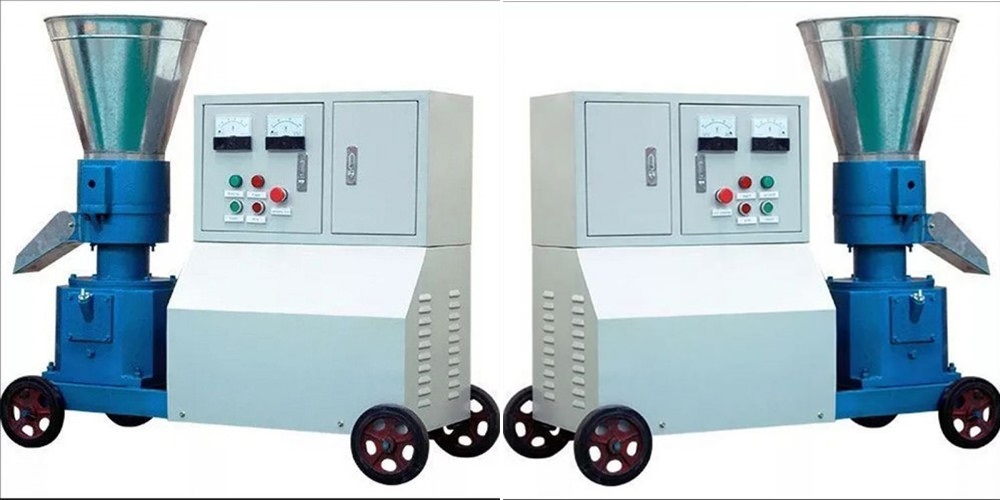
2.  The Pellet Machine

After stabilizing the raw material you have to add the sawdust to the fee machine. If you desire to obtain a large amount of product then a screw feeder is one of the most important pieces of equipment for it. A screw feeder is the only way to stabilize the entire input process.

3. Let Pellet Cool-Use Pellet Cooler

During the wood pellet-making process, the temperature of the finished product becomes very high. Due to this, it is not possible to pack the product just after making it. You have to provide the pellets with enough time to cool down.

4. Filter Good Pallets

After the cooling process, the pellets are allowed to pass into a sieve which will vibrate. This is one of the crucial steps. In this step, the broken pellets and the powdery part of them are segregated.

5. Packaging

After following the above four steps now the wood pellets are packed with the help of the packing machine.

Where Can I Use Wooden Pallets?

The usefulness of wooden pallets will be elaborated on under this section:

1. Cooking Fuel

People can use wood pellets for their cooling process. However, it can also lower the cost for the buyers.

2. For Heating

Wood pellets can also be used for heating anything or during a bonfire. Several hotels, campsites, inns, restaurants, and even homes located in cold regions are some potential consumers of wood pellet for heating up the environment and surroundings.

3. Can Replace Coal At Industries

Big industries can also use wood pellets in place of coal as it will lower the fuel cost as well as produce less smoke.

4. Makes Perfect Bedding For Animals

Wood pellets can also be used for the bedding purpose of animals as they will provide them with great comfort.

5. Can Replace Cat Litter

Wood pellets can also act as a substitute for cat litter, hence targeting cat owners. The pet cat market is noticeably large, hence there’s a good scope of pellets in the pet market too.

Conclusion

Wood pellets are the kind which has a low emission rate. Nonetheless, It can also contribute as a substitute for fossil fuels. Along with all these wooden pellets is also a renewable source of energy and required low working capacity. The cost of wooden pellets is much lower than any other energy-producing source. The entire article is enough to educate people about what is sawdust and wood pellets. Along with that its usefulness is also mentioned so that people can opt for it according to their desire.

June 26, 2022 0 comment
0 FacebookTwitterPinterestEmail
Industry

7 Different Manufacturing Processes Of The Hydraulic Press

by Jeremy Wall September 11, 2021
written by Jeremy Wall

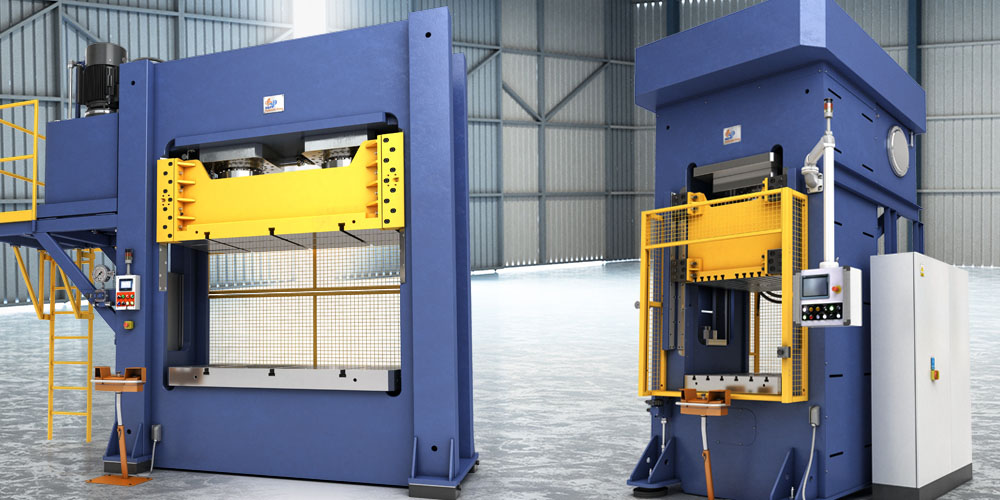
The first hydraulic press machine was developed in the 18th century by Bramah. Since its development, several innovations have been made to ensure that it attains high precisions in the plastic deformation processes. Currently, the latest innovation ensures that the machine can be computer-controlled. If you want to learn more about the latest innovations in the hydraulic press machine, visit here. In addition, to the innovations, the machine also allows for smooth processes to occur. Thus, this article aims to inform you of seven manufacturing processes of the hydraulic press. 

7 manufacturing processes of the hydraulic press

1. Metal drawing process

The metal drawing manufacturing process involves the machine deforming the workpiece using a small cross-sectional area die or mold to reduce the workpiece’s cross-section. 

Furthermore, a compressive force of about 150 tons needs to be used for the drawing processes to be done successfully. 

2. Blanking process

The blanking process involves the hydraulic machine cutting a form or shape from a sheet, strip, coil, or billet of metal. The primary point to note is that the blanking process commonly uses a metal coil. Furthermore, the blanking process and piercing process differ in that the piece of material that is cut in the blanking process is the workpiece, while in the piercing process, it is the scrap.

3. Straightening process

As the name suggests, the straightening process requires the hydraulic press to straighten a bent sheet metal or shafts. One of the advantages of the hydraulic press is that it ensures the effective straightening of deformed metal sheets or shafts. 

4. Stretch forming process

The stretch forming in the hydraulic press machine manufacturing process involves a sheet metal being bent and stretched over a die to create a big contoured piece. The purpose of the stretch forming process is usually to reduce a workpiece’s thickness. Additionally, the vertical hydraulic press is the machine that is commonly used for this process.

5. Piercing process

The piercing process is a general term used to describe punching, shearing, and cutting a workpiece material. The process helps in creating shapes in a workpiece. Furthermore, the piercing can be done by establishing slots, slits, holes, and many other shapes. 

6. Closed die process

The closed die process is also known as coining. The process’s purpose is to ensure that the sheet metal fits the profile and shape of the die. Thus, the coining process ensures that the workpiece is shaped into the design of the die. Additionally, the steady and slow compressive force is used to create a perfect edge shape and surface. 

7. Folding process

As the name suggests, the folding process is when the hydraulic press folds large parts or several parts of the workpiece. Additionally, the hydraulic press ensures that the process has minor damage to the surface structure. The process is done by the exaction force to the workpiece’s middle part and turning the flanges upward. 

Conclusion

The hydraulic press manufacturing process involves several processes to ensure that you get the part you need and the shape you require. Thus, the above processes will help direct you on the several manufacturing processes that the hydraulic press machine undergoes.

September 11, 2021 0 comment
0 FacebookTwitterPinterestEmail
Industry

The Basics and Applications of Cold Forging

by Jeremy Wall August 11, 2021
written by Jeremy Wall

Among several manufacturing processes, the forging technology is one with a special place since it can easily get used to manufacture parts with mechanical properties and a nominal waste of materials. Read this blog for more on the cold forging application.

Understanding process selection in cold forging

Process selection, coupled with optimization is essential to forging processes because of the increasing material costs. This blog post reviews the fundamentals of technology forging, the principal variables of a forging process. Also, computer-aided styles like finite element analysis used for forging processes can be ideal for tooling design.

The rise in the use of cold forging in industries

In today’s world of manufacturing several products, there is an alarming shortage of materials for production. There is also an increase in pressure in demand to reduce costs. That is why most manufacturers are now turning to cold forging as a primary method for production. It is because it’s one of the most suitable methods compared to other forms of forging.

Why cold forging is famously used for manufacturing products

Cold forging is prominent for its applications in different industrial sectors. It requires only a few pieces of material for the manufacturers to reach their objectives. The technology that utilizes an innovative design with process sequence processing also applies lesser raw materials while imparting a greater strength to metallic components.

Over and above, cold forging has proven to help achieve specific required shapes. Often, these shapes need little finishing. For many manufacturers, a completely contained compression coupled with an extrusion metal flow and a close tolerance component would be the ideal type of extrusion. And because the production rates are incredibly high in die life, tool designs coupled with manufacturers are essential for the reliable production of various parts.

Major applications and long-term benefits

1. Enabling the manufacture of more vital metals

Technology research, coupled with cold forging investment, shows several benefits to using cold forging applications. One of these benefits includes enabling the manufacture of stronger metals using extruded shafts. Cold forging also allows the possible manufacture of a net shape and near net shape product with a tolerance of up to 10 millimeters.

2. Enabling the manufacture of metals using higher speeds

Cold forging is the one forming method that will enable you to enjoy launching a new product of high quality at high speed. Compared to hot forging, this method is way efficient and straightforward. Besides, it also allows you to have better control over other dimensions. This creates an improved consistency of the various formed parts.

3. Less to no energy consumption

When appropriately used, cold forging processes enhance less to no energy consumption. This should help you to reduce the total carbon footprint in society. In return, it increases savings while enhancing product creation, often without a specific machining requirement. The improved metal properties through strain hardening are also additional benefits to using cold forging to shape metals.

Final Thoughts

The cold forging process in the metal industry is reliable and largely applicable in various industries because of its tremendous benefits. For instance, it offers smooth parts free from different burrs while providing improved metal properties.

August 11, 2021 0 comment
0 FacebookTwitterPinterestEmail
Industry

3 Tips For Choosing The Best Exterior Wall Panels

by Jeremy Wall July 28, 2021
written by Jeremy Wall

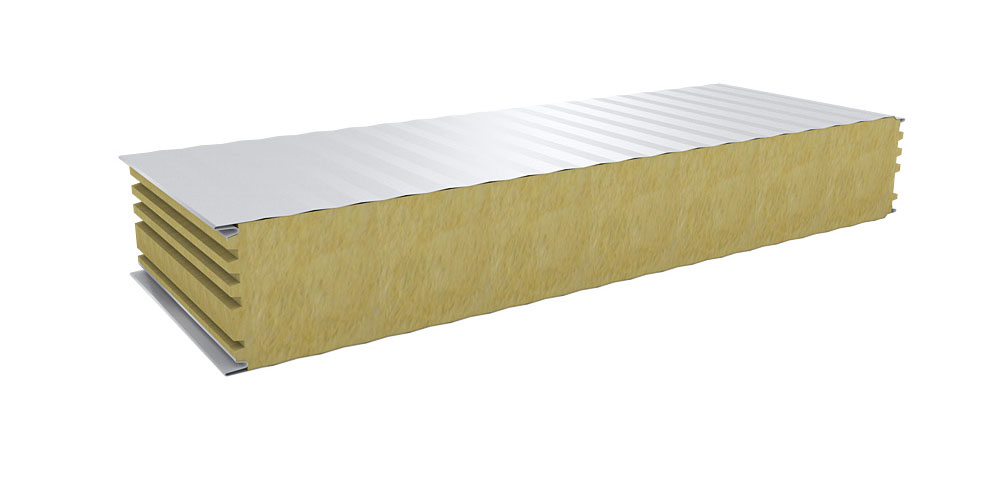
Sandwich panels are common insulation materials. They are used as exterior wall panels, floor, ceiling, and interior wall panels. Regardless of their applications, sandwich wall panels offer numerous benefits. In this post, we discuss choosing exterior wall panels. 

Tips for choosing the best exterior wall panels

The following are tips to consider when picking the best exterior wall panels

1. Consider the manufacturer

When shopping for products, the first thing you check is the brand or product manufacturer. The product brand contributes a lot to the product performance and quality. Therefore, it would be wise to choose one with a good reputation when selecting the best brand or manufacturer. It would also be wise to go for a brand with adequate experience. Brands that have been in the market for many years usually offer better products. This is because they have gained a superior understanding of the market, what clients want, and how to give it to them.

2. Consider the type of insulation material

Sandwich panels are characterized by the fact that they are made up of three (sometimes more) materials. The inner and outer (top and bottom) materials are usually thin metals. The core material, which is sandwiched between the two metallic parts is the insulation material. The type of insulation material used can significantly affect the qualities of the sandwich panel. When choosing the best sandwich insulation panel, you must consider the benefits and downsides of each type of insulation material. The most common insulation materials are:

  • Fiberglass- this material is applicable in unfinished walls and is easy to install
  • Mineral wool- also known as rock or slag, this insulation is great for foundation walls. It is typically installed between joints, beams, and studs.
  • Plastic fiber- this is a great insulation material for floors and ceilings
  • Natural fibers- this is a great insulation material for floors and ceilings
  • Polystyrene- this is a type of foam or rigid board ideal for unfinished walls and foundation walls
  • Polyisocyanurate- is also a type of foam or rigid board ideal for floor and ceiling insulation
  • Polyurethane- is ideal for floor, ceilings, and roof insulation.

Whether you choose foam board or blanket insulation, materials would help you understand what each type has to offer.

3. Consider the price of the product

Another important tip is to consider the price of the insulation panel. The price is typically affected by the brand, insulation type, and size. The quality of the insulation panel can also play a role in its price. When looking into the price, it would also help to consider the elements mentioned above. In addition to the price of the sandwich panels, you must also consider the cost of installation.

Conclusion

When choosing the best exterior wall panels, you must also consider your needs. What benefits do you look to achieve from the panels? Asking yourself this question will help you make the right choice. Your environment should also be at the top of your list of factors to consider when choosing exterior wall panels. However, you can always find versatile options that suit all climates.

July 28, 2021 0 comment
0 FacebookTwitterPinterestEmail
Industry

How to Choose the Right Warehouse Location

by Jeremy Wall July 12, 2021
written by Jeremy Wall

Warehousing is very important for any type of business that handles goods. Choosing the best location for your warehouse is necessary to ensure the smooth shipment of goods to the customers. You can purchase or lease China warehouse, but the location is important as it ensures you serve your customers well and compete. When choosing a location, you should take time and compare it with the available options. After compiling the data and analyzing it, you can then make a sound decision. These are the crucial factors to consider when selecting a warehouse location.

Rent Rates and Taxes

The cost is an important factor to consider when choosing the location of the warehouse. However, it should not be the only factor. That is because there are hidden costs that can end costing you a lot of money in the long run. Depending on location, the rental rate for a warehouse is charged per square foot. Other than the rates, you need to consider government regulations, tax incentives, and tax structure. You should also consider government programs aimed at promoting businesses in your industry segment.

Workforce Availability

You should note that local demographics have an impact on labor costs, skills, and workforce availability. Remember that some geographical locations might not offer the right skills you need. Therefore, consider the local demographics of the city or state. Make sure you pay attention to the supply and demand of the workforce. Choose areas with a high level of workforce availability but with low demand. Some of the things to take into account include educational attainment, income levels, and characteristics. You can get this information from various government websites.

Infrastructure

You should consider proximity to highways, roads, and traffic flow. This is important if the main means of transportation is trucking. That is because transportation cost is determined by these variables, and it has an impact on how you can compete with your business rivals. Avoid areas with surface roads, congested highways, and poor signaling systems. That is because they can increase accident rates, time wasted, and fuel consumption.

Always prioritize the primary mode of transporting or shipping goods to the warehouse. For instance, if you are transporting your cargo by air, you should consider being close to the airport. Also, you should consider warehouses with access to roads and highways that connect to your desired airport.

Proximity to Market

Your warehouse should be located near producers, consumers, and suppliers. This is necessary to minimize lead times, increase responsiveness, and reduce transportation costs. In this case, you need to consider your major suppliers. Also, pay attention to environmental factors. That is because some goods should not be exposed to harsh weather conditions. Some areas have a higher risk of natural disasters than others. Make sure you pay attention to all these factors as they have an impact on day-to-day operations.

Utility Costs

As your business grows, you need to be flexible and adjust accordingly. There is a need to re-evaluate the factors if you are getting a new warehouse. Ensure you consider the cost of utilities. For instance, a refrigerated warehouse should be located in an area with water and electricity.

July 12, 2021 0 comment
0 FacebookTwitterPinterestEmail
Industry

Applications Of Automatic Labeling Machines

by Jeremy Wall June 18, 2021
written by Jeremy Wall

Automatic labeling is a concept used in various industries. It involves using various automatic labeling machines to place labels on products like cans, bottles, cartons, and several other items. As the name suggests, automatic labeling does not depend on human labor. It is handled by machines and offers a wide range of advantages. Shanghai packaging (https://www.shanghai-packing.com/) is the go-to place for companies looking for automatic labeling machines. In this excerpt, we look at automatic labeling applications.

Applications of automatic labeling machines

Automatic labeling machines are highly advantageous. For this reason, they are highly applied in a wide range of areas. Below are some of these industries;

1. Soft drinks and beverages industries

One of the main applications of these machines is in labeling cans, which is one of the processes in the soft drinks and beverages company. Here, the machines are used for placing labels on the surface of cans. In addition, they can be used to make a wide range of labels depending on the location and type of label. Automatic labeling machines can also come in a wide range of designs. This depends on the technology.

2. Bottling

Lable-making machines are also used to print or place labels on bottles. Their application in this area is mainly because automatic labeling is fast and effective. With these machines, you can choose to have customized labels on your bottles. This means that you can make the labels as unique as you wish. They are especially beneficial because they can handle bottles of different designs and sizes.

3. Carton and box

Automatic carton labeling machines are also trendy. They are also highly applied in labeling boxes. The machines can place labels on various cartons and box sections based on the specifications and the types of needs. This labeling machine can also be used to indicate products in the boxes or carton handling instructions. Such applications are common in industries like electronics, pharmaceuticals, cosmetics, and health, to name a few.

4. Barcode labeling

Automatic barcode labeling is also a popular concept in the automatic labeling industry. This application is common in shipping, equipment tagging, product labeling, and parts tracking. The machines, in this case, are used to place barcodes on the various elements or products. It is worth mentioning that the role of a barcode is to help you see the product details, stock, and sales completion details, among other integrated information.

5. Vial labeling

Vial labeling is one of the most demanding forms of labeling on the market. It requires relatively high speed and performance labeling devices or systems for the task. For this reason, automatic labeling is applied. Automatic labeling machines can offer speed and efficiency without requiring any human effort. Note that vial labels are commonly applied in the pharmaceutical and cosmetics industry.

Final word

The applications of automatic labeling are limitless because of the numerous advantages offered. Automatic labeling helps reduce human error, eliminates the chances of injuries in the labeling process, and makes the process less time-consuming.

June 18, 2021 0 comment
0 FacebookTwitterPinterestEmail
Industry

Is CNC Machining in China Valuable to The Economy?

by Jeremy Wall March 5, 2021
written by Jeremy Wall

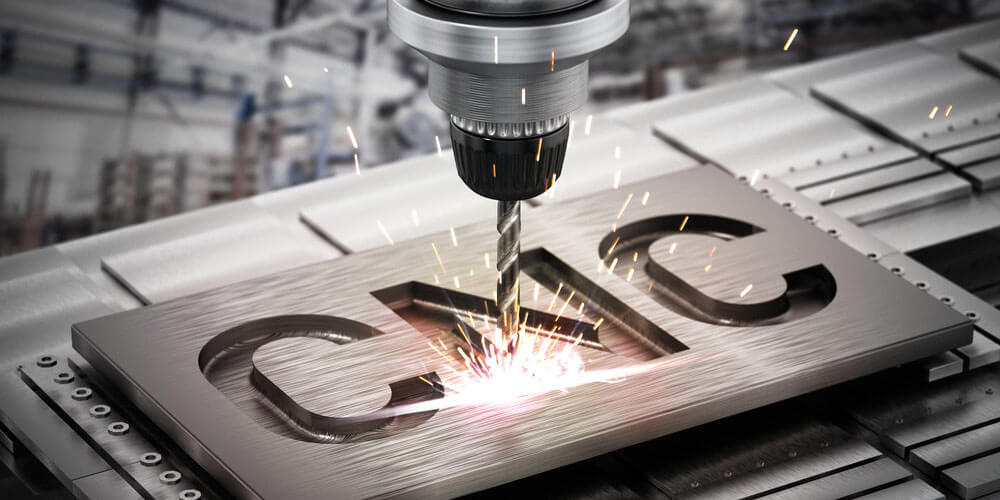
The importance of having a CNC machining technology has automated productions from single large machines. A CNC machine system is a computer numerically controlled machining process. The results are an effective and high yield at a low cost. A manual production pattern is considered uneconomic because of the low volume production and a slower payback, and it isn’t easy to schedule production. CNC machining China comes with lots of benefits.

1. Cost-effective

With CNC machining, it will be cost-effective in terms of operational costs. A CNC machining labor cost will only cater to one skilled personnel who can operate the automatic machining. In manually operated machining, they would need to hire several manual operators to operate the manual machine.

Also, the production cost with a CNC machining is worth considering a higher production with minimum costs, unlike a manually operating machining that incurs many productions with the minimum outcome.

2. Guaranteed safety

CNC machining is usually considered safe for use, considering most of them are operated in enclosed areas. The machining also does not require frequent human contact as they work automatically from a computer code. Manually operated machines are generally placed in places that are easily accessed for manual operation; thus, they pose a risk to the individual who comes in contact with them.

3. Increased speed of production

The fact that CNC machining operates automatically, therefore, increases production. An increased speed in production ensures a timely supply of products in the market to meet the demand. A manually operated machining is limited in terms of the production of a product. It may be hand to deliver products in case of increased demand in the market.

4. Manual Operations: What would that mean for a company?

That would mean working overtime and overworking the machines and the manual operators. With a CNC machine, you can program the time and quantity of production with the computer and continue with your other business and later come and find the products ready.

Unlike the manually operating machine, you will have to wait through the whole process operating each step. A CNC machine can operate at night after scheduling the production process. For instance, if an industry’s daily supply is 1000 bottles of juice in the morning and a thousand during the day, CNC machining is programmed to run the whole process of packing at night. But with manually operating machining, the workers report very early or even very late to ensure they meet their targets.

5. Good product quality and accuracy

A CNC machining guarantees maximum cleanliness of products as there will be less contact with machine parts and products being produced. Most are run with electrical power. Considering it is run by a computer program, the CNC machining is always accurate as it executes the instructions programmed on it. Manually operating machines are mostly powered by generators; therefore, there is a risk of oil leaking onto the products.

Final Thoughts

CNC machining is made from advanced quality materials using digital technology. It makes it more efficient and less prone to breaking down, saving the cost of maintenance and repairs. Unlike manually operating machining that is made from old materials, making it easy for them to breakdown frequently.

March 5, 2021 0 comment
0 FacebookTwitterPinterestEmail
Industry

Basic facts about plastic recycling machines

by Jeremy Wall January 12, 2021
written by Jeremy Wall

Introduction

No doubt the advent of plastic recycling machines is one of the greatest improvements in the waste management industry. Empty plastic cans previously regarded as useless can now be put to great use after it has been recycled.

If you take a minute to wonder what our world would have looked like if there was nothing like recycling, you would realize that the view wouldn’t be so pleasant.

What is a Recycling Machine?

A recycling machine is a type of Machine used to flux plastic products into granules. These granules can now be used in the manufacture of various other products. Recycling is one of the branches that makes environmental engineering.

Plastics are non-biodegradable materials, the more reason why it is difficult to get rid of them. Continued accumulation of these plastics can be very harmful to the environment and human life in general. Hence, the need to get rid of them. And so far, recycling has proven to be the best method for this purpose.

Brief Description of a Recycling Machine

A plastic recycling machine is mainly used for recycling Low-Density Polyethylene, Polyethylene film scrap, High-Density Polyethene, and Polypropylene.

The type of material used in the manufacture of these machines would depend greatly on force input, the sort of work it is expected to do, and other environmental factors. Also, the mechanical and physical properties of such components as well as their availability is equally considered.

Main components if a plastic recycling machine include;

  • Frame
  • Heating compartment
  • The driveshaft
  • Barrel
  • The main housing
  • Electric motor base
  • Screw shaft
  • The feed hopper
  • Screw sprocket
  • Chain sprocket

The primary function of the frame is to offer support and ensure that every moving component of the machine is properly aligned. The heating component is where the actual heating happens after which they are transferred to the barrel.

The electric motor & serves to power the machine and the hopper serve as a receiving end for the heated plastic. One rather interesting fact about the plastic recycling machine is that one can adjust the volume of the hopper unit, the heating chamber as well as the heating elements.

 Benefits of plastic recycling machine

  1. The use of plastic recycling machines makes it possible for us to reuse waste plastic thereby minimizing the cost of production.
  2. Reduced cost of production invariably causes a reduction in the price of goods manufactured. Therefore, because of recycling, customers get to pay less.
  3. It helps us to get rid of excess plastic wastes that constitute a nuisance in the environment.
  4. Using this as a means of waste disposal helps to keep the environment free from pollution and protect arable lands for agricultural activities.

Plastic recycling machine: Areas that can be improved on

  1. Designing of an automatic feedback system to send back plastics that were not properly recycled the first time.
  2. Use of petrol or diesel in place of electricity as a means of generating power.
  3. Development of an efficient cleaning and sorting system.
  4. Addition of a cooling system to automatically cool the recycled plastic petals.

Conclusion

The Plastic recycling machine is indeed one great innovation as regards waste disposal. In addition to helping get rid of unwanted plastic and keeping the environment clean, it reduces the cost of production in plastic industries.

January 12, 2021 0 comment
0 FacebookTwitterPinterestEmail
Industry

What are the different types of CNC automotive?

by Jeremy Wall December 9, 2020
written by Jeremy Wall

In the manufacturing industry, CNC automotive/machines tend to play a major role. These machines are usually controlled through the use of a computer which enables them to be accurate, consistent, and most importantly efficient during production. All those are often difficult to go huge if you’re making use of a manual or the conventional type of production machines. This article highlights some of the CNC machines that are currently used for different production purposes.

 1. Lathe Machine

While using this machine, you will be required to use a computer to compute and control its operation. It’s most used programming language code is “G code”. The G code is derived through the programming calculation used to find out the amplitude of the lathe machine. This helps to complete the lathe process as fast as it can.

The lathe is a rotary piece used for working. It makes use of the rotary cutter which serves as the main machine while working.

2. Plasma cutting machine

This is another CNC automotive machine that’s worth learning about. The plasma cutting machine makes use of ceramic torches to aid the cutting of steel and other types of metal. While using the plasma cutting machine, compressed air tends to pass out through its nozzle often at high speed. Some of the gases are also turned into plasma. The plasma is very hot and can melt the material that’s to be cut. It’s also fast enough to have the molten metal blown away from the slit.

Using the machine requires that you cut the material with the plasma burning, the machine used for laser cutting then directs the high power to the optics, and finally, the output cuts the material.

3. Milling machine

This milling machine often comes with a tool for holding. It helps to replace a lot of milling tools including the axis rotates. The rotation speed of this machine can be evenly adjusted while the workpiece can be moved either up or down to the base of the bed. To move the bed, you can use the axes, front and rear, or the left and right; it all depends on you. Most milling machines come in a small size but the gantry milling machine comes in a bit size.

4. Discharge machine

Electrical discharge machining uses electrical discharge to develop a specific shape inside a given material. The discharged material repeats the process of electrical release between two anodes. The anodes are often set apart using a dielectric liquid that accepts voltage regularly.

Simply put, the electrical discharge machine is a technique that’s used to cut holes, shapes, and pockets into hard steel while distributing the surface texture to the mold of the internal cavity.

Conclusion

Some years back, it was difficult to carry out certain operations. In recent times, the case is different as we now know CNC automotive options. To get things done quickly, this article has explained the different types of CNC machines that you can use to accomplish tasks faster. No machine is the same as the other; you only have to go for the one that suits your type of production.

December 9, 2020 0 comment
0 FacebookTwitterPinterestEmail
Vulcanchem
Industry

Why Vulcanchem is your best choice

by Jeremy Wall June 23, 2020
written by Jeremy Wall

The world depends on inventions discovered by science, and laboratories are the hatching place for these inventions to thrive.

This is why it’s so important that your lab or company uses the right chemicals so that your products can flourish. If you want to establish the right name in your field and gain a good reputation, then there are a lot of things you have to consider before choosing a manufacturer or supplier.

This is super important because the effectiveness of your company depends on establishing a fruitful contract with your supplier and ensuring that their products are of good quality.

Here are some things you need to note before choosing a chemical manufacturer or supplier.

  • Affirm the quality of the products they are selling

This is so important. You have to make sure that whatever products they are selling have the quality that you desire. Ensure it also meets industry standards and market requirements.

Remember that chemicals can be hazardous to the body, so they have to be handled with proper care. Ensure their packaging and sealing processes are top-notch.

Finally, ensure that these manufacturers sell products that are approved by the right regulatory bodies.

Talking about regulatory bodies

  • Make sure they are authentic

This is one mistake that a lot of people make. They purchase products from unverified persons and then complain when the products do more harm than good.

You have to make sure that the suppliers are authentic. Once they are, you may have little to no problem verifying the quality of their products.

You have to be careful because a lot of dealers may be vying for such deals with very appealing profiles. How to know the best chemical manufacturer? Surf the internet. Go through their websites in detail.

Read the feedback they have gotten from previous customers and the rate at which they respond to their complaints (plus their tone). Little things like this set great companies apart.

If you have a friend or associate that runs a similar business or patronized these suppliers before, do well to ask questions. It’s better to be safe and sure than regret later.

  • Communicate clearly

There are not enough words to express how important this is. Note that communication is a two-way process. It entails someone talking and then, listening. You have to state clearly what you want, listen clearly to what the manufacturer has to say, and then weigh your options.

Creating clear communication channels will ensure that you will close deals appropriately and without errors and your products transferred smoothly.

Good communication skills also help to create a team that is driven by the same passion you have within the company. You’ll have a team that is always willing to share ideas and insights on how the company can grow better.

  • Certificate of authenticity

It’s not enough to verify them on their website and ask around. If you want to be sure that you’re dealing with an authentic and reputable chemical manufacturer or supplier, you have to look for certificates of authenticity.

That way, you’re certain that you’re dealing with genuine people.

  • Plan appropriately

Apart from looking for the right dealer, you also have to properly assess and plan your needs. If you are a start-up company, you have to consider the operations your company is carrying out. Is it a small or large-scale production?

Once you’ve assessed that, the next thing to find out is if a small manufacturing company or large-scale supplier can meet your requirements?

Finally, think about the cost. Can your company handle it?

Once you’ve assessed all these things, then you’re ready to choose a manufacturer/supplier.

  • If possible, visit the warehouse

Most people feel it’s unnecessary to visit a warehouse before making purchases, but that’s not true.

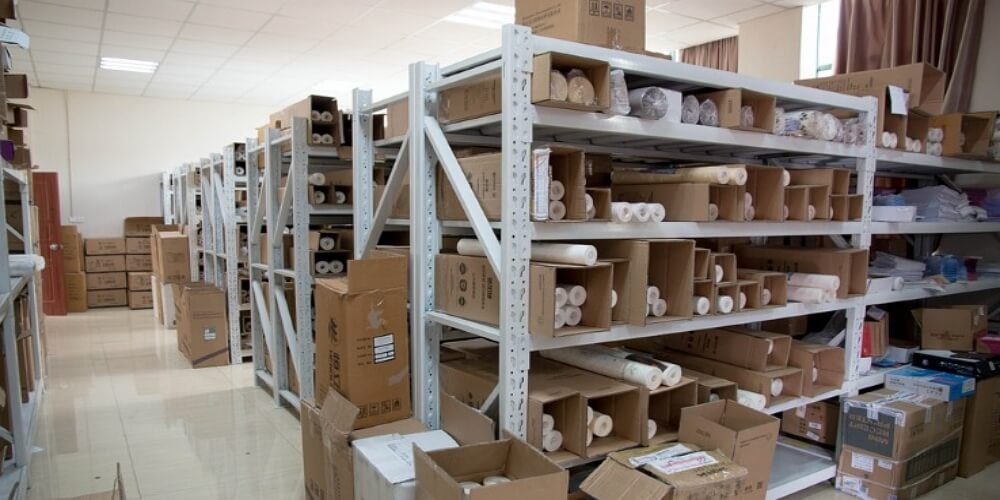
Visiting the warehouse or storeroom remains one of the best ways to check the authenticity of the products sold and the quality of their service delivery. This tells you a lot about their safety procedures, quality, standards, product maintenance, and the conditions these chemicals are manufactured in.

You get a first-hand experience of how the company treats hazardous, sensitive, and dangerous products when you visit them. Plus, you also get an idea of their work ethics and how the employees comport themselves.

There are some things you just don’t see on the website. Visit them if you can.

Now that you know what to look out for when choosing a chemical supplier, it is time to start the search. One of the best companies to get your chemicals from is Vulcanchem. With years of experience under their belt, they produce chemicals of high-quality and provide the best services.

Here are some reasons why Vulcanchem should be your go-to for your next chemical purchases:

  • They sell a wide variety of chemicals

Most chemical compounds produce by specialty. A lot of them choose a niche and focus extensively on that niche. This is not the same as Vulcanchem. 

This company manufactures and supplies all kinds of chemical products, ranging from reference compounds, building blocks, inhibitors, peptides, novel life-science reagents, natural compounds, reagents, etc. for both scientific and laboratory purposes.

  • Amazing team

One thing this company can comfortably boast of is its steam. They have a team of creative, innovative, and purpose-driven individuals who are professionals in their various fields. A lot of them hold Master’s degrees or higher.

They have various specialty departments for specialty purposes. The technical support staff and the R&D department ensures that customers are guided and assisted at all times. They have lab professionals who are skilled in producing diverse and synthetically dynamic molecules.

Other teams are there to ensure smooth business transactions and safety.

  •  Adequate facilities

They have a well-equipped lab and a collaborating station that allows them to perform complex synthetic tasks, irrespective of the mass. Their quality control management lab is equipped with the right apparatus to carry out analytical and stability testing.

June 23, 2020 0 comment
0 FacebookTwitterPinterestEmail
Newer Posts
Older Posts

Recent Posts

  • How Roll Up Door Brush Seals Prevent Pests and Dust from Entering Storage Units
  • Why Many People Choose Socket Weld Fittings for Today’s Piping
  • The Key Advantages of Wire EDM Service in Fine Component Manufacturing
  • Design to Filling: Tottle Bottle Production Process at UKPACK
  • How Bitget’s ETH to NZD Converter Helps Investors Make Smart Decisions

Copyright 2021. All Rights Reserved.


Back To Top
richcontentdaily.com
  • Home
  • Business
  • contact